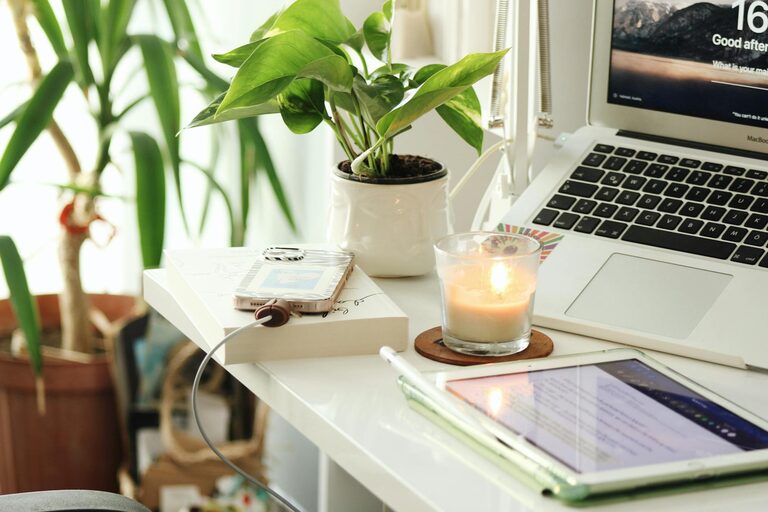
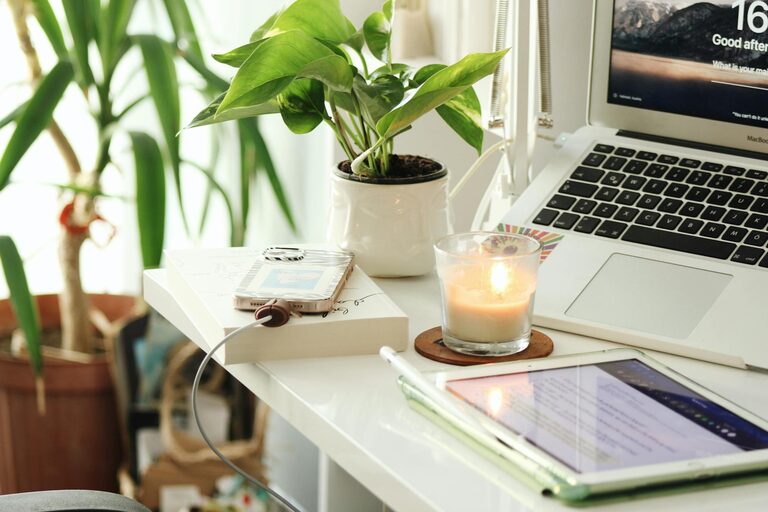
Creating a home workspace that feels both relaxing and productive is essential for anyone who works remotely or spends substantial time on tasks at home. A well-designed environment can reduce stress, increase focus, and make work hours more enjoyable. Whether you have a dedicated room or just a small corner, here are some practical tips to help you transform your workspace into a comfortable and efficient haven.
Choose the Right Location
Selecting the ideal spot for your home workspace is the first step toward creating a relaxing environment. Ideally, pick a quiet area with minimal distractions where you can focus easily. If possible, avoid places where household activities are frequent, like near the kitchen or TV.
Consider natural light. Position your desk near a window to benefit from daylight. Natural light improves mood and alertness, helping you stay energized. However, make sure to control glare with curtains or blinds.
Invest in Comfortable Furniture
Comfort directly impacts your ability to work productively without fatigue.
– Ergonomic chair: Choose a chair that supports your lower back and encourages good posture. Adjustable height and armrests can prevent discomfort during long sessions.
– Functional desk: Pick a desk size that suits your needs but doesn’t crowd the space. Sit-stand desks are a good option if you want to alternate between sitting and standing.
– Footrest and cushions: Use a footrest if your feet don’t reach the floor comfortably. Cushions for support can also improve overall comfort.
Organize for Clarity
A cluttered workspace can lead to scattered thoughts and stress. Keep your desk tidy and your tools organized.
– Storage solutions: Use shelves, trays, or organizers to keep documents and office supplies sorted.
– Cable management: Use clips or sleeves to keep cords neat and prevent frustration.
– Minimal decor: Limit decorations to a few items that inspire or calm you, such as plants or artwork.
Bring in Soothing Elements
Adding elements that promote relaxation can make your space more inviting.
– Plants: Indoor plants improve air quality and create a calm atmosphere.
– Soft lighting: Use desk lamps with warm bulbs instead of harsh overhead lights.
– Aromatherapy: Consider candles or diffusers with subtle scents like lavender or eucalyptus.
– Textures: Incorporate soft rugs or cushions to add cozy touches.
Set Up Technology Thoughtfully
Technology is essential for productivity, but it can also be a source of distraction if not managed well.
– Monitor height: Position screens at eye level to avoid neck strain.
– Keyboard and mouse: Ergonomic models reduce fatigue.
– Noise control: Use noise-cancelling headphones or soft background music to block disruptive sounds.
– Connectivity: Ensure stable internet and organized charging stations.
Establish Boundaries and Routine
Creating clear rules about your workspace encourages a focused mindset.
– Work hours: Define time blocks dedicated to work and breaks.
– Separate work from leisure: Avoid doing non-work activities in your workspace to maintain mental separation.
– Declutter daily: Spend a few minutes tidying up at the end of each day.
Personalize Your Space
Make the workspace yours by adding personal touches that motivate and calm you.
– Photos or artwork: Choose images that make you feel positive.
– Inspirational quotes: Display reminders to keep you motivated.
– Favorite colors: Incorporate color schemes proven to enhance focus or relaxation, such as blues or greens.
Maintain Air Quality and Temperature
A comfortable physical environment supports productivity.
– Ventilation: Keep fresh air circulating by opening windows or using air purifiers.
– Temperature: Adjust heating or cooling so the room feels comfortable year-round.
Take Regular Breaks
Even in a relaxing workspace, taking short breaks helps reduce strain.
– Stretching: Stand up and stretch every hour to improve circulation.
– Eye rest: Follow the 20-20-20 rule—every 20 minutes, look at something 20 feet away for 20 seconds.
– Hydration: Keep water nearby and drink regularly.
—
Designing a relaxing home workspace doesn’t have to be complicated or expensive. Focus on comfort, organization, and the right environment, and you’ll create a space where you can work effectively while feeling calm and refreshed. Take time to adjust your setup as you discover what helps you perform at your best.
About the Author