Creating a productive home office space is essential for anyone who works from home or spends a significant amount of time on personal projects. A well-designed workspace can enhance focus, reduce distractions, and help maintain a healthy work-life balance. Whether you have a dedicated room or a small corner, these tips will guide you in setting up an efficient and comfortable home office.
Choose the Right Location
Consider Natural Light and Noise Levels
Start by selecting a spot in your home that receives ample natural light if possible. Natural light can boost mood and energy levels, making tasks feel less tiring. Avoid areas near noisy appliances or high-traffic zones to minimize interruptions. If your space is limited, a quiet corner away from distractions works well.
Prioritize Privacy
If you share your living space with others, opt for a location that offers privacy during work hours. This helps to separate work from home life and keeps video calls or focused tasks free from interruptions.
Invest in Ergonomic Furniture
Desk and Chair
Choose a desk that fits your equipment comfortably and has enough surface area for writing or other tasks. Pair it with an ergonomic chair that supports your back, encourages good posture, and is adjustable to your height. Sitting comfortably helps prevent fatigue and physical discomfort.
Monitor and Keyboard Placement
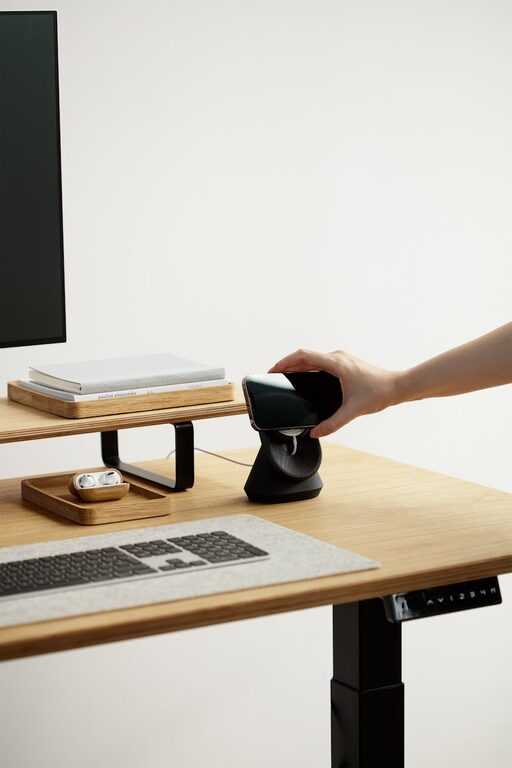
Position your computer monitor at eye level about 20–30 inches from your face to reduce strain on your neck and eyes. Keep your keyboard and mouse at a height that allows your elbows to remain close to your body and your wrists straight.
Organize for Efficiency
Declutter Regularly
Keep your desk neat by regularly removing unnecessary items. A clutter-free workspace promotes clarity and reduces stress.
Use Storage Solutions
Incorporate shelves, drawers, or file organizers to store documents and supplies out of sight but within easy reach. This helps keep your desk surface clean and your materials accessible.
Set Up Cable Management
Use clips or cable sleeves to organize cords and prevent tangling. This small step can reduce distractions and make cleaning easier.
Optimize Lighting
Combine Ambient and Task Lighting
Good lighting is vital to prevent eye strain and maintain alertness. Use a combination of overhead light and a focused desk lamp. Adjustable lamps allow you to direct light exactly where you need it for reading or detailed work.
Avoid Glare
Place your monitor and light sources in a way that avoids glare on your screen, which can cause discomfort and reduce visibility.
Personalize Your Space
Add Plants or Art
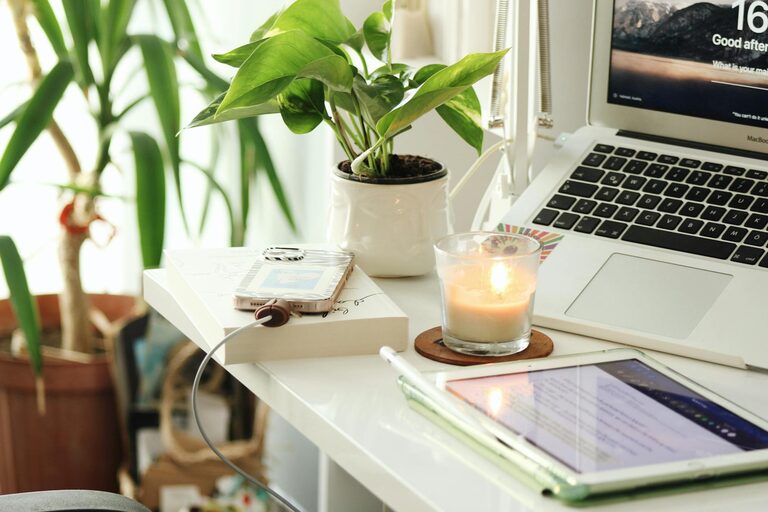
Bring in a small plant or two to improve air quality and create a calming environment. Adding artwork or personal items can make your space more inviting and motivate you.
Choose Calming Colors
If possible, paint your workspace walls or add decorations in colors that promote calm and focus, such as soft blues, greens, or neutral tones.
Set Boundaries and Routines
Define Work Hours
Establish clear start and end times for your workday. This helps to maintain balance and signals to others when you should not be disturbed.
Create a Pre-Work Ritual
Develop a routine before starting work, such as organizing your desk or reviewing your to-do list. This mentally prepares you for a productive session.
Take Breaks
Schedule regular short breaks to stand up, stretch, and rest your eyes. This practice improves concentration and reduces fatigue.
Use Technology Wisely
Reliable Internet and Tools
Ensure your internet connection is fast and dependable to avoid frustrating interruptions. Use tools and apps that help with task management, communication, and time tracking.
Limit Distractions
Silence non-work notifications on your devices and consider using apps that block distracting websites during work hours.
Final Thoughts
Creating a productive home office space doesn’t require a massive investment or renovation. By thoughtfully choosing your location, investing in ergonomic furniture, organizing efficiently, and setting clear boundaries, you can build a workspace that helps you work smarter and feel better throughout your day. Remember, your home office should support not just productivity but also your comfort and well-being. With these tips, you can turn any area of your home into a successful work environment.
About the Author